Recycling and Sustainability for Gardeners Morden Park
 Gardeners Morden Park is shaped by a practical approach to recycling and sustainability, with everyday green work designed to reduce waste and support a cleaner local environment. From garden clearances to regular maintenance, the focus is on handling materials responsibly, sorting reusable items carefully, and making sure as little as possible goes to landfill. A core part of this approach is a 70% recycling and recovery target, helping ensure that organic waste, timber, soil, and suitable green materials are redirected into productive local waste streams wherever possible.
In a borough setting where waste separation is increasingly important, the team works in line with local expectations around mixed waste sorting, green waste recovery, and the careful separation of recyclable loads before they leave site. This matters across Morden Park and the wider boroughs, where garden waste, packaging, metals, plastics, and soil often need distinct handling. By matching materials to the right stream early, garden recycling in Morden Park becomes more efficient and less reliant on costly disposal.
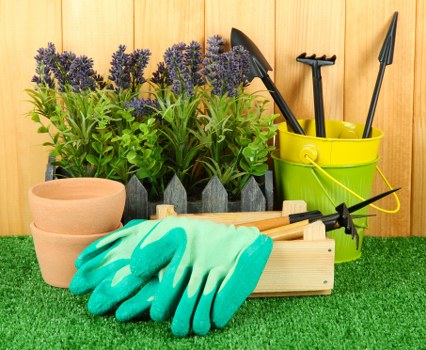 A sustainable gardening service also depends on smart logistics. Instead of repeated trips in heavy vehicles, collections are planned to reduce unnecessary mileage and improve load efficiency. This lower-impact approach helps cut emissions while keeping sites tidy and works flowing smoothly. It also supports the broader aim of eco-friendly garden waste management, where transport, segregation, and recovery all work together rather than being treated as separate tasks.
The use of low-carbon vans is an important part of this commitment. These vehicles are selected to help reduce tailpipe emissions and improve fuel efficiency on local routes through Morden Park and surrounding neighbourhoods. For projects involving multiple pick-ups or repeat site visits, lower-emission transport can make a meaningful difference. Combined with route planning and careful vehicle loading, this helps reduce the carbon footprint associated with everyday gardening operations.
Local transfer stations also play a key role in the recycling process. Green waste, soil, rubble, and other sorted materials can be moved to appropriately licensed facilities, where they are weighed, checked, and directed into the correct recovery pathway. Using nearby transfer stations helps keep journeys shorter and supports better traceability of waste handling. It also ensures that materials from Gardener’s Morden Park recycling services are processed through responsible local infrastructure rather than being mixed into general waste.
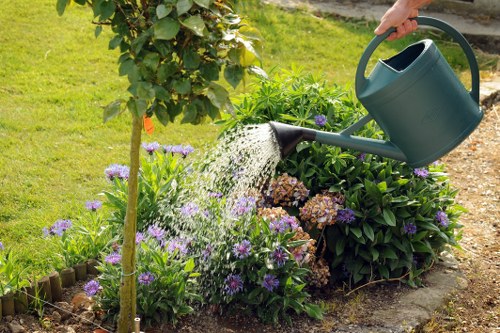 For organic materials, the priority is often composting or mulching, depending on the type of green waste collected. Grass cuttings, leaves, hedge trimmings, and small branches can frequently be transformed into useful outputs for soil improvement or landscaping. This supports a circular approach to sustainable gardening in Morden Park, where waste from one job can become a resource for another. Even when materials cannot be reused on site, they may still contribute to wider recovery through specialist processing facilities.
Partnerships with charities strengthen the environmental and social impact of the service. Items that are still in usable condition, such as plant pots, hand tools, decorative garden features, or well-kept outdoor furniture, may be separated for donation where suitable. Working with charities helps extend the life of useful goods and supports community initiatives that benefit from rehomed materials. This makes recycling for gardeners in Morden Park about more than disposal; it becomes part of a wider effort to reduce waste and support local causes.
These partnerships are especially valuable when site clearances produce a mix of reusable and recyclable items. Rather than sending everything to a single waste stream, usable products can be identified early and directed toward charitable reuse, while broken or non-reusable items are sorted for recycling or recovery. This layered approach reflects the practical reality of local waste management, where garden clearance recycling often involves a combination of reuse, sorting, and responsible transfer.
There is also an emphasis on the separation of materials in ways that suit local borough waste rules and processing expectations. Timber may be kept apart from green waste, metals from mixed debris, and clean cardboard from contaminated packaging. Soil and hardcore from landscaping work may need different treatment from prunings or turf. By handling these categories carefully, Morden Park garden recycling can achieve better recovery rates and avoid unnecessary contamination that would otherwise reduce what can be recycled.
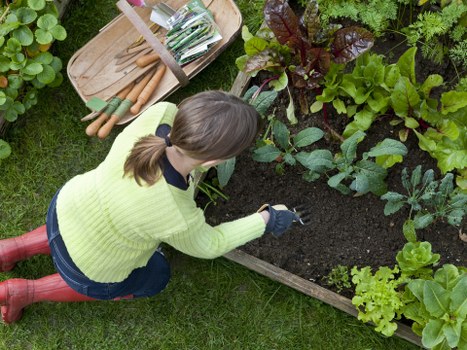 This attention to detail also supports healthier outcomes for gardens and public spaces. When waste is separated correctly, the resulting recycled materials can often be used again in landscaping, habitat improvement, or soil enrichment. That means fewer raw materials are needed in the future, and the overall environmental burden is reduced. For local green maintenance teams, this is a practical way to align day-to-day work with sustainability goals while still keeping outdoor areas neat and well maintained.
Another important element is the reduction of contamination. Leftover food packaging, treated wood, batteries, and non-organic items can interfere with recycling streams if not identified early. A careful sorting process helps ensure that recoverable green waste stays clean, while non-recyclable items are handled through the appropriate disposal route. This is particularly relevant in urban and suburban areas where a wide range of materials can be generated from domestic gardens and small commercial landscapes.
 Across Gardeners Morden Park, the recycling and sustainability approach is built around responsibility, efficiency, and local awareness. A clear recycling percentage target, reliable use of local transfer stations, partnerships with charities, and the deployment of low-carbon vans all contribute to a greener service. By aligning waste handling with borough separation practices and prioritising recovery wherever possible, the work supports cleaner gardens and a lower-impact future for the wider area.