 020 3744 3778
Gardening Made Easy: 9 Vital Tips for Those Starting Out
Posted on 26/06/2025
Gardening Made Easy: 9 Vital Tips for Those Starting Out
Thinking about starting your very own garden? Whether you want to grow vibrant flowers or fresh vegetables, gardening can be rewarding, soothing, and even a bit thrilling. For beginners, though, it might seem overwhelming. But don't worry--mastering the basics is easier than you think! In this comprehensive guide, you'll discover 9 essential gardening tips for beginners. These tried-and-tested suggestions make gardening easy and enjoyable, ensuring every budding green thumb feels empowered right from the start.
Why Gardening Is Simpler Than You Think
Many aspiring gardeners shy away from digging in, believing that gardening demands complicated knowledge or endless time. The truth is, gardening for beginners doesn't need to be intimidating. With a handful of vital gardening tips and smart planning, anyone can nurture a thriving garden. The key is understanding your environment, listening to your plants, and practicing a little patience. Let's dig into the vital steps every new gardener should know.
1. Start Small & Pick the Right Spot
Gardening made easy always starts with the right scale. Begin with a manageable plot--ideally a raised bed, containers, or a 4x4-foot area. Plunge into a massive project and you could quickly get overwhelmed.
- Sunlight matters: Most plants--especially veggies and flowers--need at least 6 hours of direct sunlight daily.
- Water access: Choose a spot near a water source so that you don't get dissuaded by the effort of hauling water across the yard.
- Observe before you plant: Watch your chosen space at different times of the day to see how much sun it really gets.
2. Know Your Soil
Soil is the foundation of easy gardening. Understanding your soil type helps you choose plants that will thrive and tells you what amendments you might need.
How to Test Soil Quality
- Texture test: Squeeze a handful of moist soil. Sandy soil won't clump, clay will feel sticky and form a hard ball, and loam (ideal for most gardens) feels crumbly, holding together but breaking apart easily.
- Soil kits: Buy an inexpensive soil testing kit from your local garden center. These evaluate pH and essential nutrients.
Amend your soil as needed: If it's heavy clay, add compost or organic matter to improve drainage. If it's sandy, add compost for moisture retention.
3. Choose Easy-to-Grow Plants
Opt for beginner-friendly plants. Nurseries label these as "easy" or "hardy," meaning they're less prone to disease and adaptable to various conditions.
Best Vegetables for New Gardeners
- Lettuce and salad greens
- Radishes and carrots
- Tomatoes (start with starter plants instead of seeds)
- Green beans
- Zucchini or courgette
Best Flowers for Beginners
- Marigolds
- Sunflowers
- Zinnias
- Pansies
- Cosmos
Pro Tip: Visit a local gardening center. Locally grown plants are suited to your area's climate and are more likely to thrive with minimal care.
4. Understand Watering Basics
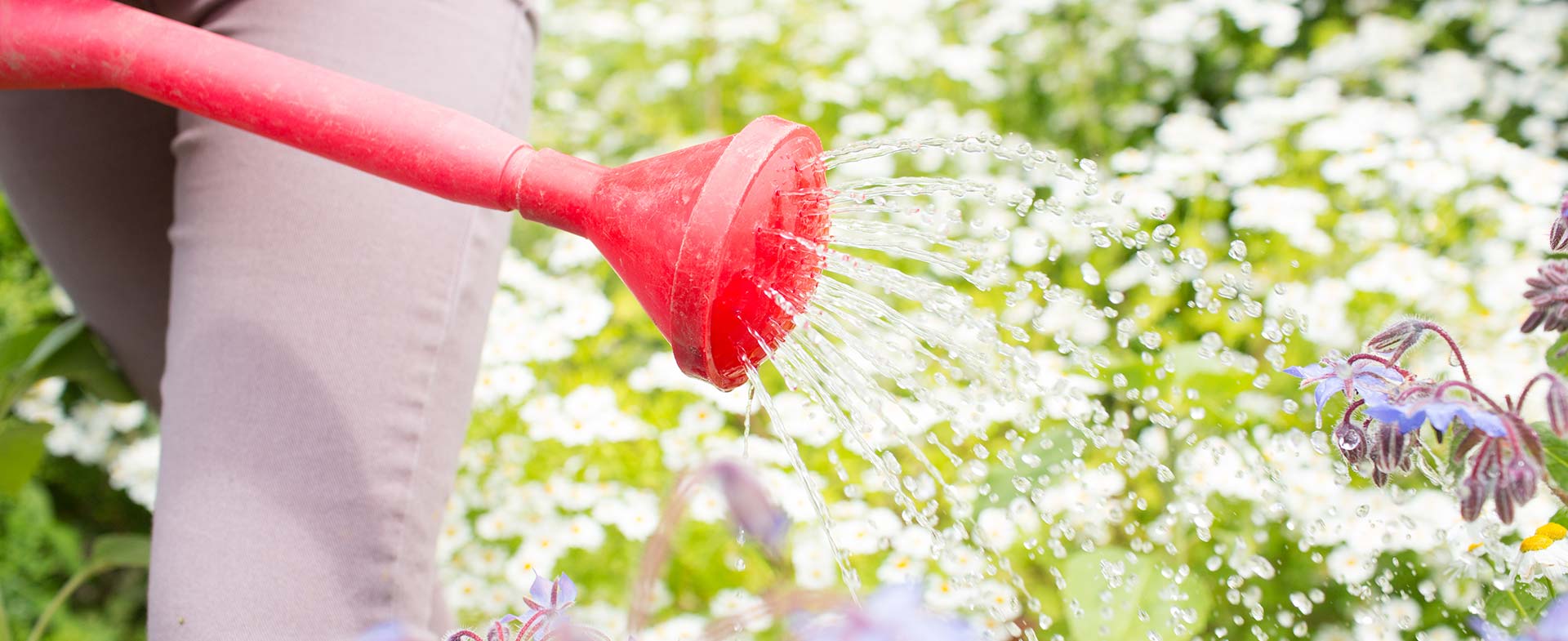
Avoid overwatering, one of the most common mistakes beginners make. Here's how to keep watering simple and effective:
- Water deeply, but less frequently: Shallow watering encourages shallow roots. Give plants a deep soak so their roots grow downwards.
- Morning is best: Water early so leaves dry quickly, preventing mildew and pests.
- Check before watering: If the soil is still damp an inch below the surface, wait another day.
5. Feed Your Plants Well
Plants, like people, need food to grow strong. Fertilizing the right way can make gardening for newcomers a breeze. Organic compost is a natural way to give your plants nutrients without harsh chemicals.
- Use compost or well-rotted manure in planting beds each season.
- Buy an organic, all-purpose fertilizer for vegetables and flowers.
- Fertilize lightly--more is not always better! Follow package instructions.
Gardening Tip: Avoid chemical fertilizers as you begin; they can burn young roots and harm beneficial soil organisms.
6. Learn the Art of Mulching
Mulching is a secret weapon for simple gardening. A 2-3 inch layer of organic mulch (like bark chips, straw, or shredded leaves) conserves moisture, suppresses weeds, and keeps soil temperatures even.
- Apply after planting: Don't mulch right against plant stems; leave a small gap to avoid rot.
- Replace as needed: Mulch breaks down over time and adds nutrients to the soil!
7. Get Familiar with Common Pests
No garden is pest-free, but beginner gardeners can keep pests at bay by staying alert and acting early.
- Check often: Look under leaves for holes, eggs, or bugs every few days.
- Hand-pick major pests: Caterpillars and beetles can often be removed by hand.
- Encourage beneficial insects: Ladybirds and lacewings are your friends! Plant marigolds and dill to attract them.
Avoid harsh pesticides as a rule--they often do more harm than good for your new garden's balance.
8. Stay on Top of Weeding
Weed control is a simple but critical step for stress-free gardening. Weeds compete for water, nutrients, and sunlight. Pull them as soon as you spot them--after rain makes this easier.
- Mulch, again, helps prevent weed seeds from taking root.
- Use a hand fork or hoe for stubborn weeds.
- Don't let weeds flower or go to seed--they'll multiply quickly.
9. Track Your Progress and Celebrate the Wins
Keep a simple gardening journal to track what you plant, when, and the successes (or occasional failures) you experience.
- Snap photos every week to visually record garden growth.
- Note weather patterns--rain, heat waves--which impact plant health.
- Record what worked and what you'll try differently next season.
Gardening is a journey--don't stress about perfection. Celebrate every tiny bud, new leaf, and fresh harvest!
Common Mistakes New Gardeners Should Avoid
- Planting too early: Wait until all danger of frost has passed (check local guidelines).
- Skipping soil prep: Healthy soil leads to healthy plants.
- Neglecting garden maintenance: Consistent weeding, watering, and checking for pests prevents problems before they start.
- Ignoring plant spacing: Overcrowded plants compete and suffer.
Useful Tools for New Gardeners
- Hand trowel: The ultimate all-purpose digger for planting and weeding.
- Pruning shears: For snipping dead growth or harvesting veggies.
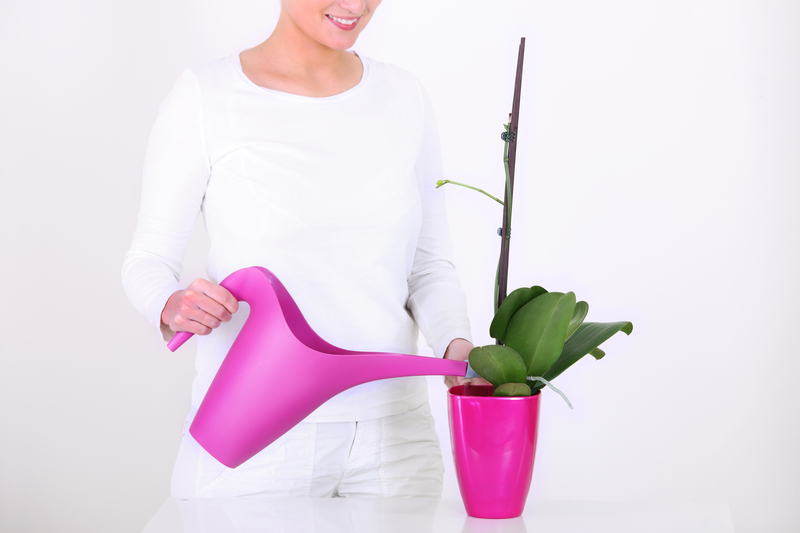
- Watering can or hose: Pick what works with your location.
- Gardening gloves: Protect your skin from thorns, soil, and blisters.
- Sturdy kneeler or pad: Makes long planting sessions more comfortable.
Frequently Asked Beginner Gardening Questions
How often should I water my first garden?
Most gardens need about 1 inch of water per week, including rainfall. Clay holds water longer than sand. Check the soil's moisture before watering instead of sticking to a strict schedule.
When is the best time to plant?
Spring is typically best for most annual flowers and vegetables. However, specific timing depends on your area's climate. Check the USDA hardiness zone map or consult a local gardening center.
How can I save money starting my garden?
- Start from seeds: Seeds are much cheaper than buying starter plants.
- Repurpose containers: Use old buckets, boots, or milk jugs for small space gardening.
- Make your compost: Household veggie scraps and leaves turn into valuable plant food.
- Join a garden club: Many offer free seeds, seedlings, and advice.
Conclusion: Gardening Made Easy for Everyone
Gardening doesn't need a green thumb from day one--just a willing heart, some know-how, and the courage to begin.
By following these 9 vital tips for those starting out, anyone can embrace the joy of growing. Choose the right spot, know your soil, pick beginner-friendly plants, water and feed thoughtfully, mulch, watch for weeds and pests, and above all, observe and delight in your progress.
Gardening made easy for beginners is not about perfection; it's about progress and pleasure. So plant that first seed today. With just a little planning and some daily care, you'll quickly see thriving plants and reap the satisfaction of fresh flowers or homegrown vegetables. Happy gardening!
Latest Posts
3 Tips to Revolutionize Your Approach to Weed Control
From Seeds to Sprouts: Nurture a Robust Herb Garden
Awakening Your Garden: First Moves in the Makeover Journey